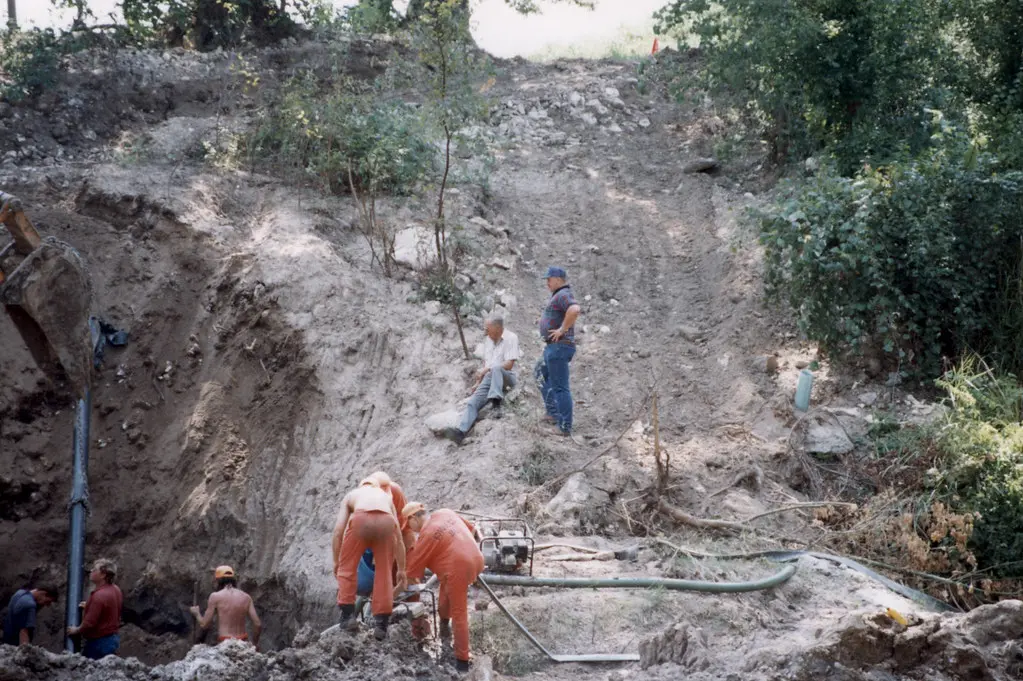
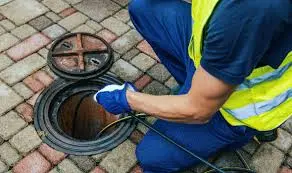
After assessing the situation, it was clear this wasn’t just an isolated toilet blockage but a larger problem within the main sewer line. To get a precise diagnosis, I carried out a CCTV drain inspection, which revealed that tree roots had infiltrated the sewer pipe. Over time, these roots had grown inside the sewer line, catching debris and causing a major obstruction.
To resolve the issue, I used high-pressure water jetting to cut through and remove the tree roots, clearing the blockage and restoring proper flow throughout the system. In addition, I advised the customer on long-term solutions, including preventative maintenance and potential pipe relining to stop the roots from returning.
Once the work was completed, I thoroughly tested all fixtures to ensure everything was draining correctly again. The system was fully restored, and the customer no longer experienced any backups.
If you notice your toilet backing up or multiple drains in your home acting up at the same time, it could be a sign of a deeper sewer issue. Don’t wait for it to get worse — get in touch with me for fast, professional blocked drain solutions and long-lasting repairs.
Why tree roots end up inside sewer pipes
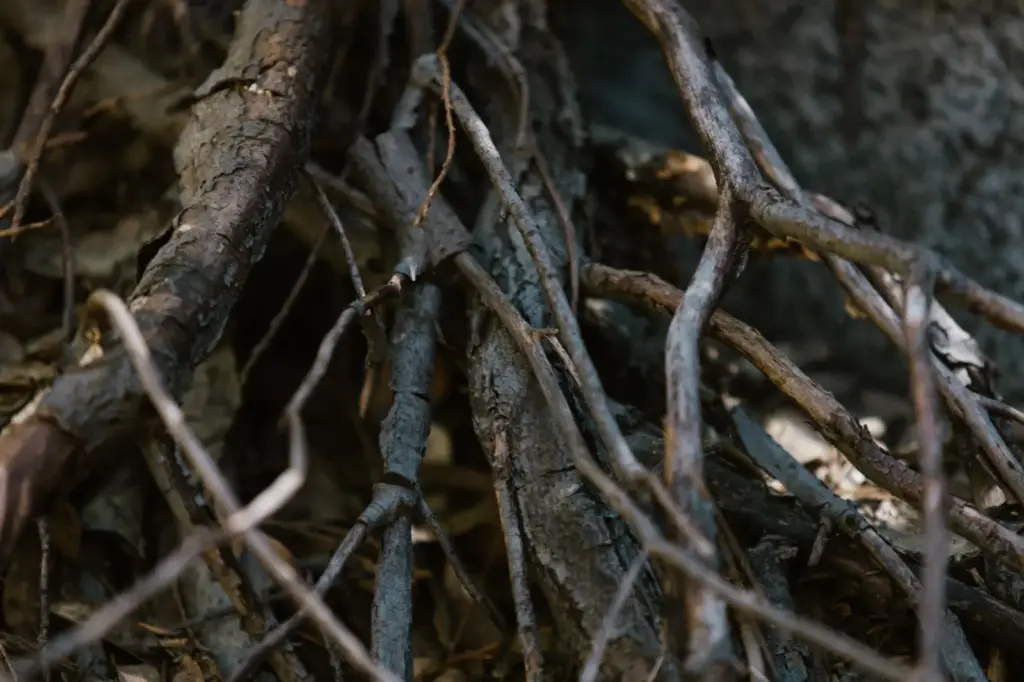
Roots go looking for water, and a sewer line is a steady supply of it. Older properties are the most exposed: many still have terracotta (clay) sewer pipes laid in short sections, and every joint between those sections is a potential entry point. Once a fine root finds a hairline gap or a perished seal, it grows inside the pipe, feeds on what flows past and thickens year after year.
That is why the problem is so common on established, leafy blocks — the kind you find right across the North Shore and the Northern Beaches, in suburbs like Pymble and St Ives where big trees and older pipework share the same ground.
Warning signs to watch for
- A toilet that gurgles, rises or drains slowly after flushing.
- Several fixtures — shower, basin, laundry — slowing down at the same time.
- Sewer smells inside or around the yard.
- Water or waste lifting out of the overflow relief gully (the grated outlet outside, usually near the laundry or bathroom).
- Unusually lush, green patches of lawn along the line of the sewer.
One blocked fixture is usually a local blockage. Several at once points to the main line, and that is when a camera inspection earns its keep.
Clearing the roots versus fixing the pipe
High-pressure water jetting cuts roots out and restores flow quickly, but it does not seal the gap they came through. If the pipe is otherwise sound, regular maintenance jetting can keep it running. If the CCTV footage shows cracked, displaced or badly infiltrated sections, a longer-term fix makes more sense: pipe relining puts a new seamless pipe inside the old one, usually without digging, or a damaged section can be excavated and replaced where relining is not suitable. Our guide to pipe relining vs excavation compares the two in more detail.
Who is responsible for the sewer pipe?
In Sydney, property owners are generally responsible for the private wastewater pipes on their land, up to the point where they connect to Sydney Water’s sewer main. Roots from your own trees in your own pipes are a job for a licensed plumber; if the problem turns out to be in the main itself, Sydney Water needs to be told.
Keeping roots out
- Plant new trees well clear of the sewer line, and choose species with less aggressive root systems near pipework.
- Keep the overflow relief gully grate clear and sitting below floor level, so a blockage overflows outside rather than inside.
- Do not wait for a full backup — slow drains are the early warning.
If you are seeing any of these signs, get in touch or call 0450 876 713 and we will find the cause with a camera before recommending anything. For urgent backups, see our 24/7 emergency plumbing service.