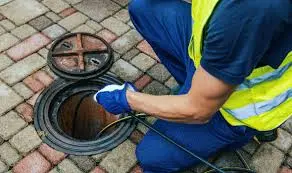
When a camera inspection shows a cracked or root-damaged drain, there are two ways to fix it: dig it up and replace it, or reline it from the inside. Both have their place. Here is how to tell which one suits your pipe.
How pipe relining works
- Inspect. A CCTV camera is run through the pipe to map the damage, the depth and the junctions.
- Clean. High-pressure water jetting removes roots, scale and debris so the liner can bond.
- Install the liner. A flexible liner soaked in resin is fed into the old pipe, usually through an existing access point, and inflated against the pipe wall.
- Cure. The resin hardens into a new seamless pipe inside the old one.
- Reopen and check. Branch connections are cut back open and the line is filmed again to confirm the result.
Why relining is often the better option
- Little or no digging. Driveways, paving, gardens and established trees stay where they are.
- No joints for roots to get into. The new liner is continuous, which matters on tree-lined blocks where roots are the usual culprit.
- Faster. Many residential relining jobs are finished in a day.
- Long life. Liners are commonly rated for decades of service.
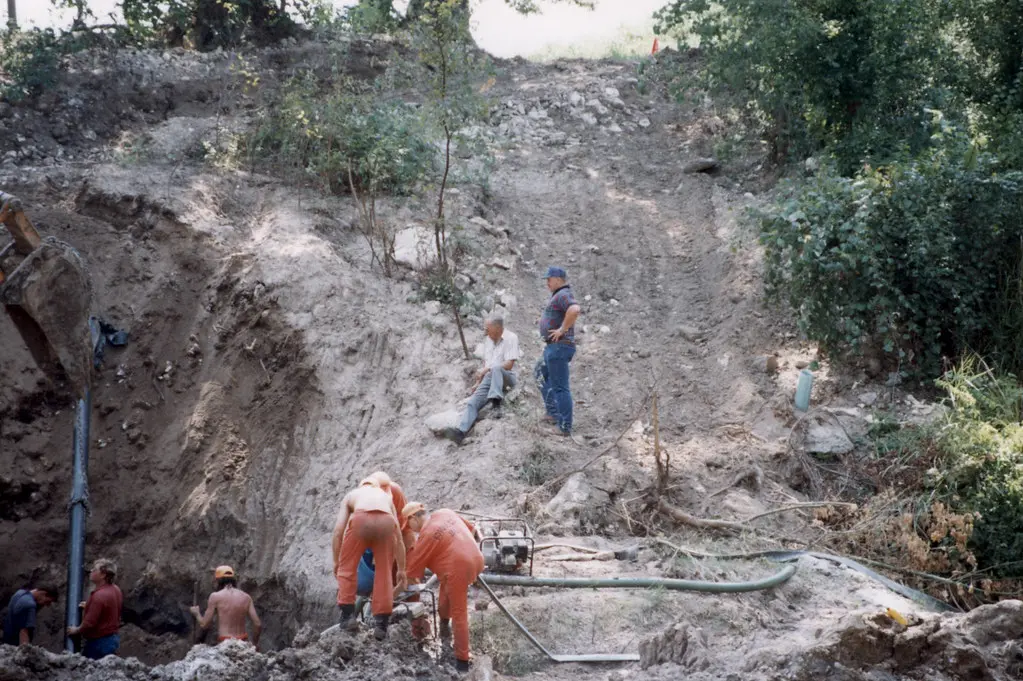
When digging is still the answer
- The pipe has collapsed. A liner needs a pipe shape to form against.
- The pipe has sagged or lost its fall. Relining follows the existing line, so it cannot fix a section where waste pools.
- The pipe is badly misaligned or broken apart at the joints.
- The pipe is shallow and easy to reach. Under open lawn, replacing a short run can cost less than relining it.
Often the answer is a mix of the two: excavate one collapsed section, then reline the rest.
Start with a camera, not a quote
Any recommendation without CCTV footage is a guess. A proper inspection shows where the damage is, how bad it is and what the pipe is made of, and you should be able to see the footage yourself. Our blocked drains and pipe relining service starts there.
Relining is especially useful across the North Shore and the Northern Beaches, where older clay pipes run under mature gardens. We regularly work in Pymble, St Ives, Lane Cove and Belrose. Get in touch or call 0450 876 713.