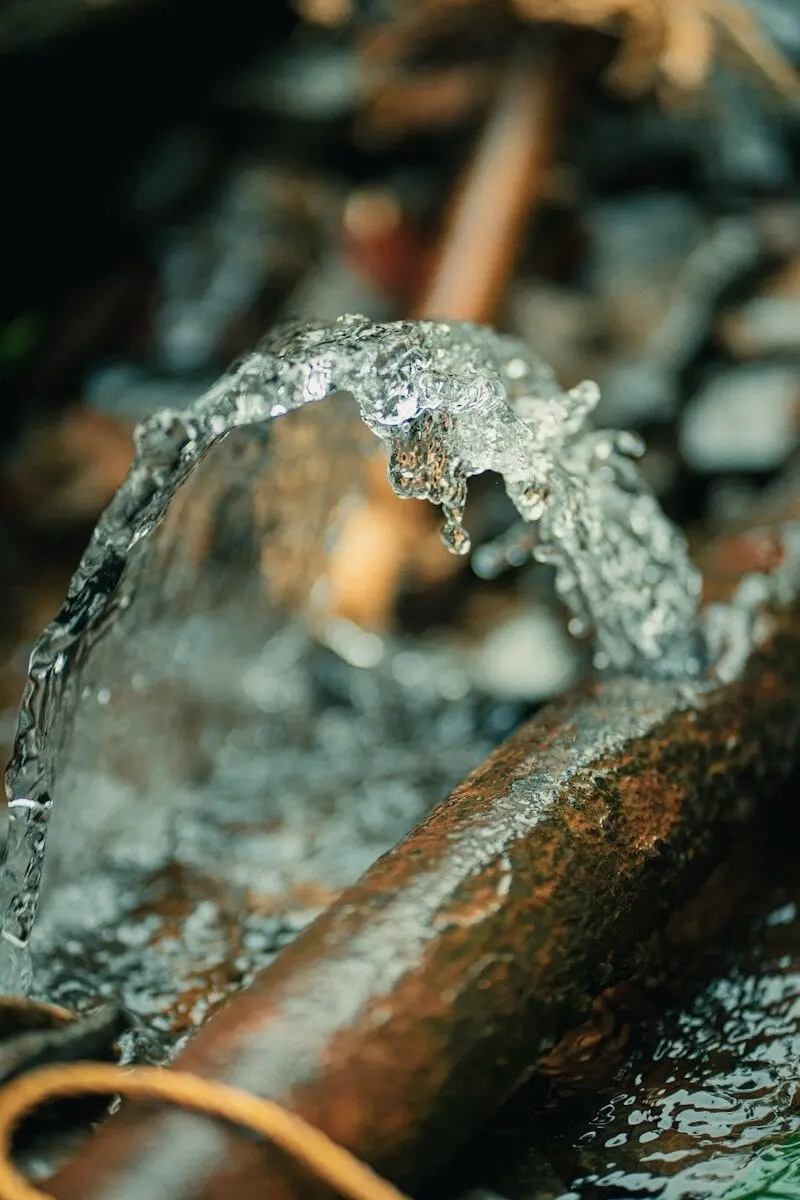
After discussing the symptoms, I carried out a thorough inspection of the subfloor area. Upon entering under the house, I found damp ground and signs of ongoing water pooling. I traced the issue back to a burst water pipe.
The pipe had likely deteriorated over time, allowing water build up beneath the home. Left untreated, this could have led to structural damage, mould growth, and even pest problems.
To fix the issue, I isolated the affected section and replaced the damaged pipe with new, copper pipework. I then tested the system to ensure there were no further leaks and that water pressure was stable throughout the home.
After the repair, the area was no longer taking on water, and the customer was relieved to have the issue resolved before it caused more serious damage.
If you’ve noticed unexplained moisture, rising water bills, or damp smells in your home, it could be a hidden leak under the house. Get in touch with me for professional leak detection and reliable repairs to protect your property.
Why pipes fail where you cannot see them
Pipes under a house live a hard life. Older galvanised steel corrodes from the inside out, copper can develop pinholes over decades, and ground movement — common on Sydney’s clay soils as they swell and shrink with the seasons — puts stress on joints. High mains pressure adds to the load. None of it is visible from inside the house until the damage shows up somewhere else.

How to check for a hidden leak yourself
Your water meter is the simplest leak detector you own.
- Turn off every tap and water-using appliance in the house.
- Write down the reading on the meter, or take a photo of it.
- Wait at least 30 minutes without using any water.
- Check the meter again. If the numbers have moved, water is escaping somewhere.
A moving meter does not tell you where the leak is — that is where proper leak detection comes in — but it confirms you are not imagining the higher bills.
Other signs worth taking seriously
- A musty or damp smell that does not clear with ventilation.
- Floorboards that feel soft, lift or cup.
- Mould on skirting boards or low on walls.
- Low water pressure that comes and goes.
- The sound of running water when everything is turned off.
If a pipe bursts
Turn the water off at the main stop tap. On most Sydney homes it sits beside the water meter, near the front boundary. It is worth finding it now, before you need it, and checking it still turns. Then switch off the hot water system if the leak is on the hot side, and call a plumber. Live in an apartment? Read who is responsible for strata plumbing before the repair starts.
Repair or replace?
A single failed section can usually be cut out and replaced. If the inspection shows the pipework is ageing everywhere — widespread corrosion, multiple patched joints — replacing the run in new copper or approved polyethylene pipe is often cheaper over time than repairing one leak after another. Our general plumbing maintenance service covers both, and we will show you what we find before recommending anything.
We work across the Northern Beaches, the North Shore and the Eastern Suburbs. Get in touch or call 0450 876 713 if your meter is moving or your bills do not add up.