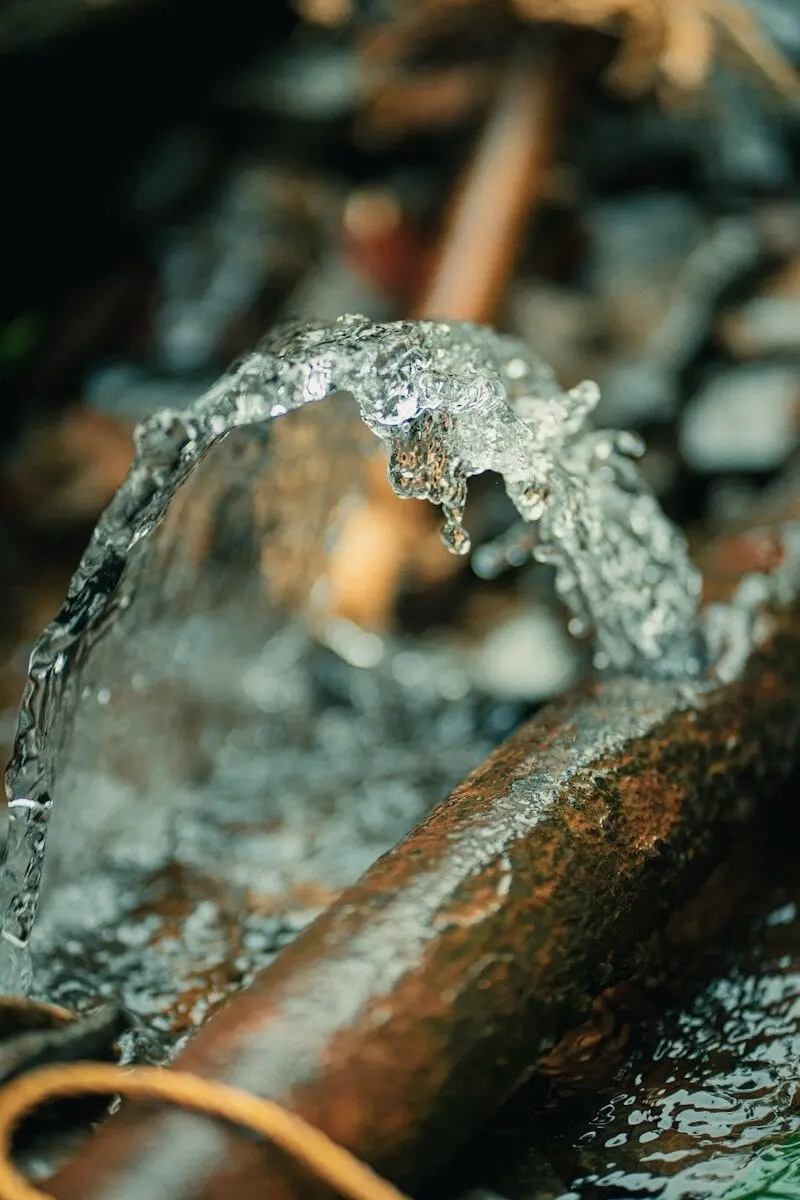
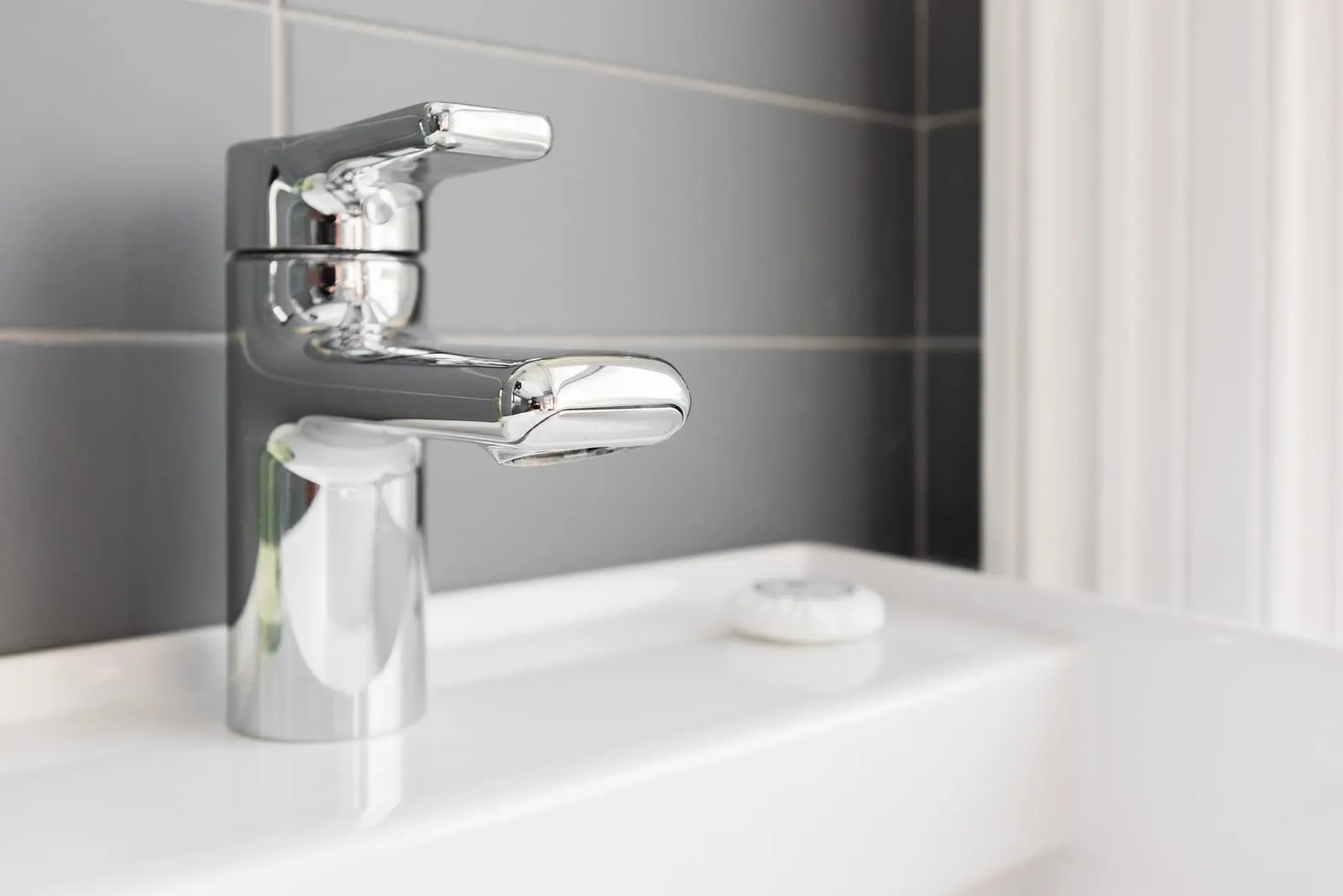
When I arrived, I quickly identified the source of the problem — a burst flexible connection (flexi hose) under the basin. These hoses can wear out over time and, when they fail, they can release a large amount of water very quickly.
The first step was to shut off the water supply to prevent any further damage. I then removed the damaged flexi hose and replaced it with a new, high-quality braided connection designed for durability and long-term reliability.
Once the new hose was installed, I restored the water supply and thoroughly tested the connection to ensure there were no leaks. I also checked the surrounding fittings to make sure everything was in good condition and safe moving forward.
The issue was resolved quickly, and the customer was relieved to have the flooding stopped and their plumbing back under control.
Plumbing emergencies like this can happen without warning, often at the worst possible time. If you ever experience a burst pipe, major leak, or any urgent plumbing issue, don’t hesitate to contact me — I’m available to respond quickly and get things sorted when you need it most.
Why flexi hoses fail
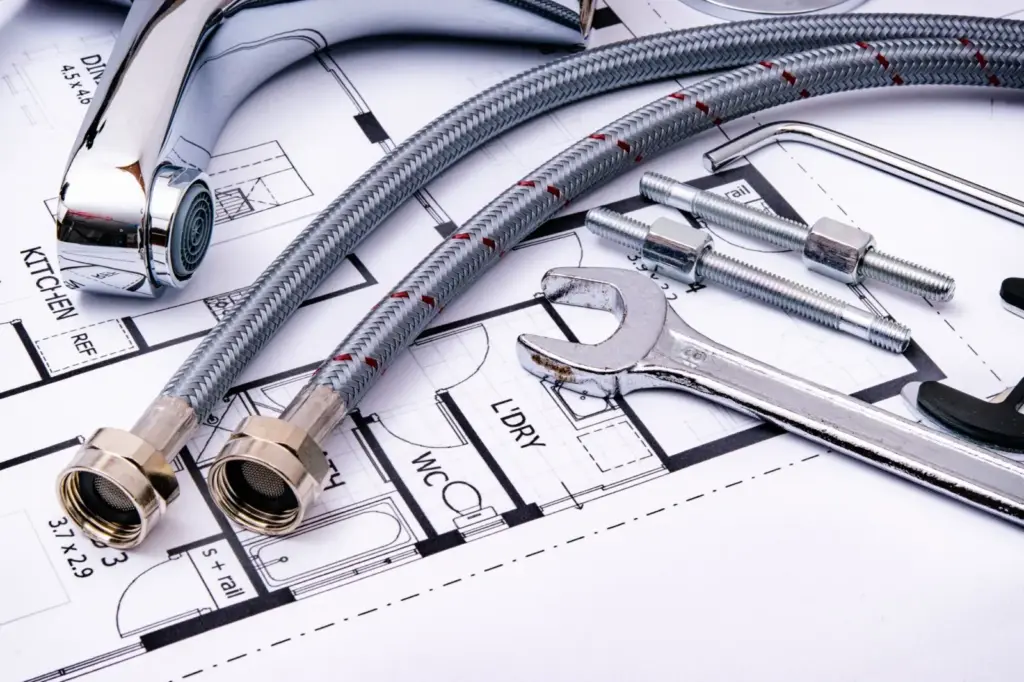
Braided flexible hoses connect taps, toilets and appliances to the water supply in almost every modern home. Inside the stainless braid is a rubber hose, and that rubber ages. Heat, chlorine in the water, kinks from tight installation, and corrosion of the braid from cleaning products stored under the sink all shorten its life. When one lets go, it is under full mains pressure — which is why burst flexi hoses are one of the most common causes of escape-of-water damage in Australian homes.
Check your hoses in five minutes
Open the cabinets under your basins and sinks and look behind each toilet. Replace a hose if you see:
- Rust spots or discolouration on the braid.
- Fraying or broken strands.
- Bulging, kinks or tight bends.
- Corrosion around the crimped metal ends.
- Any dampness or drips at the connections.
Many manufacturers recommend replacing flexi hoses periodically rather than waiting for a failure, so if yours are original to a house more than a few years old, it is worth having them looked at. Replacement hoses must be WaterMark certified, the Australian certification for plumbing products.
What to do the moment one bursts
- Turn off the small isolation tap where the hose connects to the wall. Most modern installations have one.
- If there is no isolation tap, or it will not turn, shut off the main stop tap at the water meter.
- Turn off power to any electrical outlets or appliances that the water has reached.
- Move valuables out of the way and start drying the area.
- Call a plumber — and photograph the damage before clean-up if you plan to make an insurance claim.
Other plumbing emergencies
Burst hoses are only one kind of emergency. Burst pipes, overflowing toilets, sewage backing up, no hot water in a household that needs it, and any smell of gas all warrant a fast response. If you smell gas, follow these steps first. Our 24/7 emergency plumbing service covers the Northern Beaches, the North Shore and surrounding suburbs. For a planned hose and tap check before anything goes wrong, book general plumbing maintenance.